Telltale Signs it’s Time to Get a New Roof

Telltale Signs it’s Time to Get a New Roof

Telltale Signs it’s Time to Get a New Roof

Nothing lasts forever—not even your roof. As the years go by, you may begin to notice certain changes in your roof. These changes may be an indicator that your roof is nearing the end of its life. Kiss your old roof goodbye with these four telltale signs it’s time to get a new roof.

You can see light through the roof boards

Performing an interior check of your roof is a great way to inspect for any damage and assess the overall condition. During this interior inspection, be on the lookout for any natural light that may shine through the roof boards. If you do notice any light, you should replace your roof immediately. If the light can permeate your roof, then water can do the same—this can spell serious trouble for your home. If water has permeated your roof through these cracks, you may also notice that the roof has a spongy or bouncy feel when you walk on it. This is yet another serious indicator of moisture within the roof which can lead to sagging of the roof over time.

You notice signs of water damage

Water damage is one of the most common causes of roof damage, and it can cause your roof to deteriorate significantly in a short amount of time. If you begin to notice leaks in your home, this may be an indicator that it’s time for a new roof. Other signs of roof damage may include dark streaks or stains, rotting ceiling tiles, or sagging spots in the ceiling. You should regard each sign with equal concern and address them immediately. Even a seemingly small and inconsequential water spot can grow over time, effectively worsening the condition of the roof. Additionally, if you notice rotting or signs of moss or algae, you may need to consider investing a new roof. This could be a sign that moisture has built up in the roof or under the shingles.

Cracked, curling, or missing shingles

While this is a relatively small and easy repair, if you are regularly replacing cracked, curling, or missing shingles, it may be time for a new roof. Cracked shingles often come as a result of water and snow damage. As the water freezes, the shingles expand, leading them to crack. Curling, on the other hand, is a result of repeat wind damage and may cause shingles to lift away from the roof easier. Replacing your roof once, rather than replacing shingles every year, will save you money in the long run. Distinctive Metal Roofing offers a wide range of metal roofing styles, so you never have to choose between durability and design.  Opting for a metal roof (particularly one without small shingles), such as a standing seam metal roof, will also reduce the risk of cracked or missing shingles.

Your roof is reaching the end of its life

Unlike other signs it’s time to get a new roof, this indicator may not be quite as visible. As with any product, your roof will only last so long. As it nears the end of its lifespan, it will likely not be as effective as it once was. Asphalt roofs typically only last between 15 and 20 years and often require a lot of maintenance during that time. An asphalt roof’s quality and effectiveness will decrease over the years. As such, it’s important to keep the age of the roof in mind when considering a replacement. Metal roofs, on the other hand, can last upwards of 60 years. Plus, they do not require replacement nearly as often as asphalt roofs, nor will they need the same amount of upkeep and maintenance.

If your roof is nearing the end of its life, contact our team at Distinctive Metal Roofing. Our team of skilled professionals provides the best products and service for metal roofing in Chagrin Falls,OH and the surrounding area.

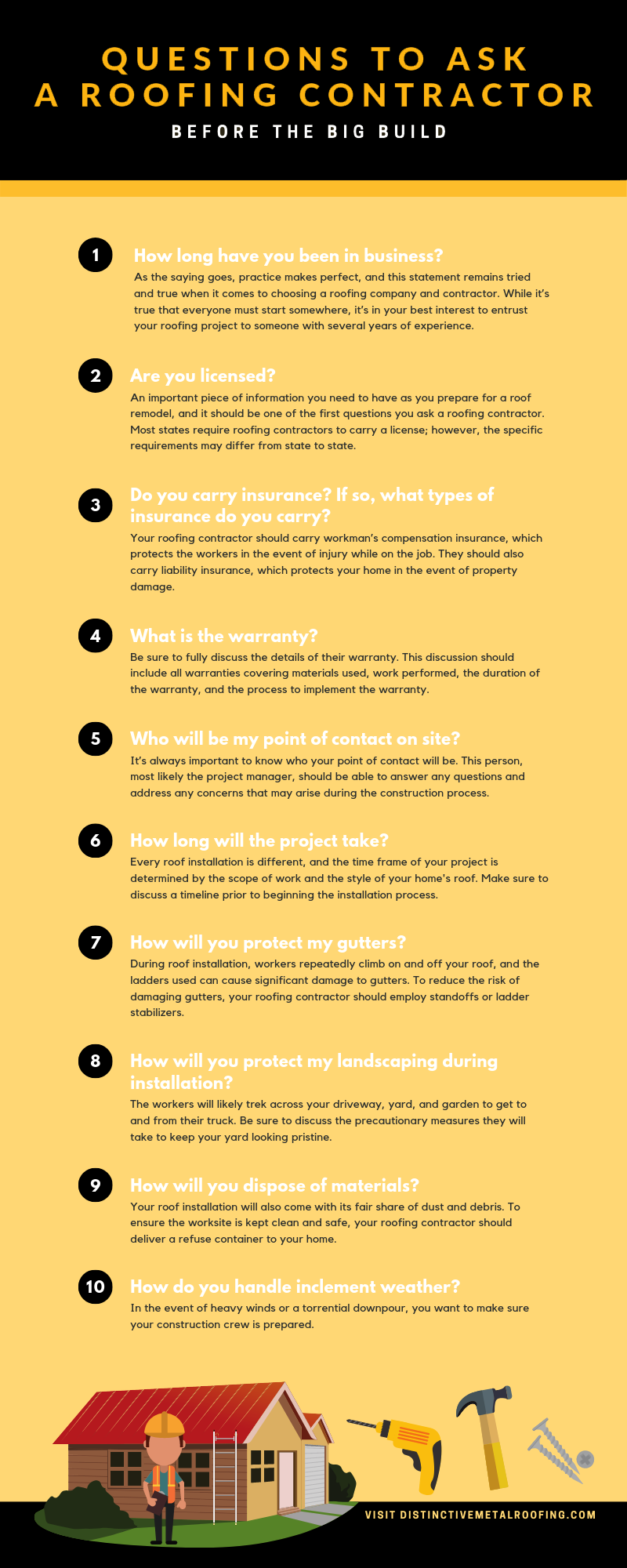
Questions to Ask a Roofing Contractor Before the Big Build

Questions to Ask a Roofing Contractor Before the Big Build

Questions to Ask a Roofing Contractor Before the Big Build

Home renovations can be quite extensive and often require a lot of planning, and a roof installation is no different. Before you dive into such a large project, you want to make sure you have the best people for the job. Unfortunately, most states have few or no regulations regarding roofing contractors and installers, or have building code requirements for roofing your home. Because the cost of entry into the roofing profession is fairly low, there are a number of people out there who are not properly trained or have the experience to do a quality job. 

When evaluating a contractor, be sure to ask the prospective contractor questions, and never feel like there are too many questions! A professional roofing contractor understands the investment you are making in your home and will welcome your questions. Below are some important questions to ask a roofing contractor before you begin your next home renovation.

How long have you been in business?

As the saying goes, practice makes perfect, and this statement remains tried and true when it comes to choosing a roofing company and contractor. While it’s true that everyone must start somewhere, it’s in your best interest to entrust your roofing project to someone with several years of experience. For many roofing professionals, training is done on the job, so it stands to reason that the most reliable companies are those who have been on the job the longest. For contractors who have been in business for several years, ask to look at their portfolio or seek out reviews from past clients. Asking to talk to recent customers to see how satisfied they were and if they would recommend the roofing contractor can be a great way to assess the quality and reliability of your roofing contractor.

Are you licensed?

An important piece of information you need to have as you prepare for a roof remodel, and it should be one of the first questions you ask a roofing contractor. Most states require roofing contractors to carry a license; however, the specific requirements may differ from state to state. Building codes and permit requirements also vary between cities and states, so be sure to contact your local government regarding permits and licensure prior to your roof renovation. Your roofing contractor should be able to provide documentation of proper licensure, and the license should be kept up to date. A current and valid license ensures your roofing contractor is properly trained and can install or repair your roof efficiently, accurately, and—most of all—safely.  

Do you carry insurance? If so, what types of insurance do you carry? 

Like with any renovation project, a roof remodel comes with its own unique set of risks. The best way to mitigate these risks is to ensure your roofing contractor carries proper insurance. First, your roofing contractor should carry workman’s compensation insurance. This not only benefits the workers, as it protects them in the event of injury while on the job, but it also benefits the homeowner. It places liability for any injuries on the roofing company rather than on you. Your roofing contractor should also carry liability insurance, which protects your home in the event of property damage. Liability insurance places accountability for any property damages incurred during the construction process strictly on the roofing company and contractor. When you ask your roofing contractor about the insurance they carry, be sure to obtain physical documentation to ensure everything runs safely and smoothly.

What is the warranty? 

Installing a new roof is a big investment, so you want to make sure it will remain in good condition for many years to come. Prior to choosing a roofing contractor, be sure to fully discuss the details of their warranty. This discussion should include all warranties covering materials used, work performed, the duration of the warranty, and the process to implement the warranty. Warranties will differ based on your contractor’s policies and the building materials used. Roofs built with asphalt, for instance, typically have a warranty between 10 and 20 years. Metal roofs, however, are much more durable, so their warranty generally lasts at least 40 years. 

Who will be my point of contact on site? 

Throughout the roofing process, you will likely be in contact with several people. Before work begins on your home, it’s always important to know who your point of contact will be. This will most likely be the project manager. The project manager should be able to answer any questions and address any concerns that may arise during the construction process. This will also be your point of contact if something goes wrong or plans need to be altered. The salesperson who sold you the roof job is the person most responsible for the job. Verify the salesperson will not disappear after the contract has been signed. The salesperson is responsible for the commitments made to you about the project and should be available to you at all times. 

How long will the project take? 

Every roof installation is different, and the time frame of your project is determined by the scope of work. The style of your home’s roof may also affect the timeline for the project. Roofs with multiple hips and gables, or roofs with additions such as garrets, may take a bit longer to renovate. Ask when your project can be scheduled. You should discuss a timeline with your roofing contractor prior to beginning the installation process to help level your expectations and ensure everyone is one the same page. Ask what a normal workday looks like and make sure the Project Manager contacts you directly if there are any exceptions. A good roofing contractor will also keep you informed throughout the job to make sure the job is on track and meeting your expectations

How will you protect my gutters?

Your gutters play an important part in protecting your home against water damage. Damaged gutters will not properly drain water away from your home, which will cause the water to deposit closer to your house and potentially damage the foundation. During roof installation, workers repeatedly climb on and off your roof, and the ladders used can cause significant damage to gutters. To reduce the risk of damaging gutters, your roofing contractor should employ standoffs or ladder stabilizers. This equipment reduces the strain placed on gutters and reduces the risk of creating further roof damage.

How will you protect my landscaping during installation?

Not only does a roof installation involve climbing on and off your roof, but the workers will likely trek across your driveway, yard, and garden to get to and from their truck. When you choose a roofing contractor, be sure to discuss the precautionary measures they will take to keep your yard looking pristine. Often, during the installation process, old shingles and roofing materials are dropped from your roof to a tarp or garbage receptacle waiting below. To protect against falling debris, you should have bushes, gardens, decks, and patios safely covered.

How will you dispose of materials? 

Your roof installation will also come with its fair share of dust and debris. To ensure the worksite is kept clean and safe, your roofing contractor should deliver a refuse container to your home. Prior to the delivery of the refuse container, be sure to discuss the intended location with your roofing contractor. Dumpsters and other garbage receptacles are quite heavy, even when empty, and only become heavier as they’re filled with debris from your roof. Take extra care when you determine the location of this container, as they can potentially cause cracks in your driveway due to their extreme weight. If your contractor does intend to place the container on your driveway, discuss additional precautions, such as placing plywood under the container, to reduce the risk of driveway damage.

How do you handle inclement weather?

Mother Nature is often quite finicky, and weather can throw a wrench in home construction plans. In the event of heavy winds or a torrential downpour, you want to make sure your construction crew is prepared. The project manager will always be monitoring the weather and adjust their plans for the day accordingly. To protect your exposed roof during the construction process, your roofing company should have the ice guard and underlayment installed, or tarp and cover your exposed roof at the end of each day, even if rain is not in the forecast. After all, it’s always better to be safe than sorry.

Preparedness is key when you begin a home renovation, and we understand that. The Distinctive Metal Roofing team have been meeting and exceeding customer roofing needs for more than 10 years. For answers to any and all your roofing queries, contact Distinctive Metal Roofing – Ohio’s Metal Roofing Experts!

Questions to Ask a Roofing Contractor Before the Big Build infographic

Protecting Your Home Against Common Causes of Roof Damage

Protecting Your Home Against Common Causes of Roof Damage

Protecting Your Home Against Common Causes of Roof Damage

Your roof may seem tough, but sometimes Mother Nature is tougher. Below are some of the most common causes of roof damage and the steps you can take to better protect your roof.

Water and ice

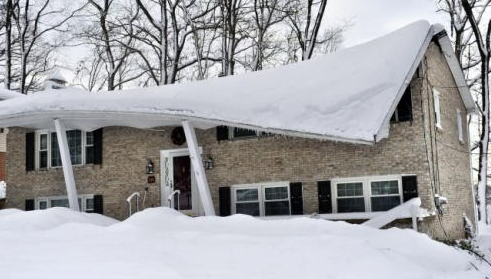
Water can be an incredibly corrosive element, causing damage to even the most well-maintained roofs. Heavy rain and thunderstorms can significantly damage your roof, while large amounts of stagnant water may cause your roof to cave in or collapse. If this stagnant water freezes, it can cause additional damage as the ice expands and potentially lifts shingles. Hail is also a common cause of roof damage.

Metal roofing is a durable option that can better withstand the harmful effects of hail, water, and ice damage. Water can easily slide off metal roofing, which greatly reduces the risk of stagnant water. Additionally, metal roofing is a good option to protect against ice damage, as there are no shingles for expanding ice to lift. A wonderful feature of a quality metal roof is the way the metal roof interlocks on all sides, preventing water and wind from getting underneath the metal shingles.

Wind

2019 seems to be a highly active year for tornadoes, which can cause significant damage to your home and roof: in the past year, at least 20 tornadoes have been reported across Pennsylvania. Even extreme wind unrelated to tornadoes can spell trouble for your roof. Homes with gable and mansard-style roofs are typically at a higher risk of wind damage; these styles commonly have a bit of overhang, making it easier for high winds to lift the roof away from the home.

Fallen tree limbs and debris

Trees may seem peaceful and relaxing as they blow in the wind, but if the wind proves too strong and a tree falls on your home, it can cause extensive damage to your roof. Luckily, unlike some of the other common causes of roof damage listed above, damage caused by tree limbs or fallen debris is often preventable. Be sure to routinely trim back any tree limbs that hang over your house or present potential risks of falling on your roof. This will reduce not only the risk of tree branches breaking and falling on your home, but also the amount of debris such as pine cones and leaves that can fall and add additional weight to your roof.

Faulty gutters

Gutters can help reduce the risk of water damage and flooding, but they can also create issues when not properly maintained. Don’t underestimate the importance of gutters. Clogged gutters can create a buildup of water on your roof, which may lead to additional water damage and leaks. Make sure your gutters are correctly installed and free of cracks to ensure that water properly drains away from your roof and home. Additionally, be sure to regularly clean your gutters, as leaves, twigs, and other debris can cause your gutters to function improperly and cause significant roof damage.

Neglect

Perhaps the most common—yet most overlooked—cause of roof damage is neglect. Like any aspect of your home, your roof should be routinely inspected for signs of damage or weak spots. Metal roof maintenance is essential. This will alert you to potential issues before they have a chance to become bigger problems. Neglecting small issues can lead to even bigger problems in the future, so it’s crucial that your roof is inspected at least once a year, either by a professional or by yourself.

If you begin to notice repeat damage to your roof, it may be time to consider replacement. Contact our team of metal roofing professionals in Butler, PA, and the surrounding areas to discuss how metal roofing can protect your home against these common causes of roof damage.

PermaLock roof

How to Improve Your Roof to Reduce Wind Uplift in Cleveland and Pittsburgh

Your home’s roof endures diverse weather events throughout the year. Hail, heat, snow, and heavy wind are just a few of the conditions it must stay resilient against to protect you and your home. If wind uplift in Cleveland, Ohio or Pittsburgh, Pennsylvania is damaging your roof, there are different steps you can take to improve the wind resistance of your home.


💡 Key Takeaway:

Wind uplift is a preventable threat. The right roofing materials, proper attic ventilation, and an experienced installer can protect your Cleveland or Pittsburgh home through every season.

What Is Wind Uplift and How Does It Affect My Home’s Roofing?

Wind uplift in Pittsburgh and Cleveland is a common occurrence. As asphalt shingles age, the adhesive that holds them down commonly decreases in strength and the shingles can become detached from the roof.  And when asphalt shingles are installed in temperatures lower than 40 degrees, sealant may never activate to begin with. This all contributes to why wind uplift in the Pittsburgh and Cleveland area can cause “blow offs” to occur.

Wind uplift can lead to costly roof repairs. Since weather is always unpredictable, it’s important to make sure your roof is protected to avoid the issues of wind uplifts.

Why Asphalt Shingles Are More Vulnerable to Roof-Wind Damage

In Cleveland and Pittsburgh, high wind speeds have taken their toll on many asphalt roofs. Unfortunately, not all roofing materials have the same endurance against heavy winds. Asphalt shingles can break or fall off entirely when wind conditions become excessive making roof-wind damage in the Midwest a common occurrence.

Cleveland and Pittsburgh Wind-Resistant Roofing Solutions

Having a wind-resistant roof in Cleveland or Pittsburgh is highly beneficial, giving you increased home protection, savings from potential costly repairs, and the peace of mind that your roof is built to withstand any weather events.

Proper Attic Ventilation Matters

When determining how to improve the wind resistance of your home’s roof, having your attic inspected is more vital than some homeowners might realize. Poor ventilation and insulation can affect your roof from the underside by causing excessive heat to the underside of the shingle which can make them brittle and shorten their lifespan and it will also make them more prone to wind uplift.

A roofer that doesn’t inspect your attic space during an appointment is a huge disservice to the homeowner. During an attic inspection, a roofer can perform moisture and air flow tests as well as visually inspect the underside of the roof deck for leaks and mold issues, not to mention rusty nails that indicate condensation problems that are a result of poor ventilation and/or insulation.

Invest in Suitable Wind-Resistant Roofing Materials

Installing a metal roof that’s designed to be wind-resistant will be the best long-term solution to prevent wind uplift.

A metal roof can withstand winds up to 150 mph without needing any repairs

Distinctive Metal Roofing provides robust roofs that not only combat high wind speeds, but also heavy snow, rain, and other extreme weather elements that Cleveland and Pittsburgh often face. Even hail doesn’t stand a chance against a steel panel, since the surface is corrugated to provide tensile strength. With interlocking, tongue-in-groove steel panels and others that are flange locked on all four sides, shingle loss or uplift is a thing of the past.

Additionally, metal roofs will last for an extended time. An expertly installed metal roof should last more than 50 years without any issues. Plus, metal roofing comes with an array of benefits beyond wind resistance, such as the following.

Benefit What It Means for You
✓ Energy Efficiency Lower utility bills and a smaller environmental footprint
✓ Year-Round Curb Appeal Looks great through every Cleveland and Pittsburgh season
✓ Enhanced Safety Built to withstand the elements that cause other roofs to fail

Hire a Roofing Expert

To ensure that your roof will hold up against wind uplifts, hiring the right roofing team can make all the difference. A roofing expert will assess your home’s needs and determine the best plan of action. Especially when it comes to metal roofs, you’ll want to work with a reputable team that has extensive experience and knowledge in metal roofing in the Cleveland and Pittsburgh areas. 

To guarantee a metal roof’s wind resistance for Cleveland and Pittsburgh homes, it’s recommended to conduct a thorough background check into contractors, including feedback from previous customers.

When vetting contractors, look for:

  1. Extensive local experience – Metal roofing expertise in the Cleveland and Pittsburgh areas
  2. Verified customer reviews – Feedback from previous clients on successful projects
  3. Demonstrated credentials – A reputable team with proven installation standards
💡

Your storm worries are over forever when you make the smart choice of a metal roof from Distinctive Metal Roofing. Reach out to our team for a free quote today.

Important Maintenance To Get Your Home Ready for Spring

Owning a home is a significant responsibility, to say the least. Whether you’re a first-time homeowner or a long-time one, the level of responsibility property ownership requires should always be very apparent. However, there are so many facets of home upkeep that it’s easy for residents to forget some of the most important tasks. For this reason, many homeowners prefer carrying out annual upkeep around the end of winter or the beginning of spring.

That timeframe is ideal because harsh winter weather can do a number on residential homes thanks to ice dams, moisture damage, and other seasonal hazards. Plus, the spring and summer months pose hazards of their own. Planning out a springtime maintenance checklist allows you to efficiently and thoroughly conduct necessary inspections, cleanings, and so forth each year. This guide will introduce you to five examples of important maintenance to get your home ready for spring.

Cleaning the Gutters and Downspouts

Although gutters run along the roof of your home, they play a key role in preventing water from gathering in the foundation below. The downspouts running down the side of your home function in tandem with gutters to keep the foundation safe and secure. Unfortunately, if your gutters or downspouts are clogging, they’ll overflow after any spring showers.

Not only will that overflowing water hinder your home’s foundation, but it can also lead to your roof and siding enduring water damage. So, why do gutters or downspouts clog? Obstructions such as leaves, twigs, and dirt can accumulate in gutters and downspouts, making it harder for them to divert water away from your foundation safely.

Since spring and summer have a knack for bringing heavy rainfall, inspecting gutters and downspouts should be one of the first tasks on your spring maintenance checklist. All you have to do is obtain a stable ladder, hose, pair of gloves, and a container to put debris in. If the gutter is dirty, scoop out any gunk or debris you find.

Once you remove the obstructions, turn on your hose and wash out the gutters. Not only does this help you remove any lingering gunk, but it also helps you test out the system’s ability to carry water away from your foundation. Consider reaching out to a professional if you have any worries about climbing a ladder to check the gutters.

Inspecting the Roof

Winter is rarely kind to residential roofs, especially if the roof is made from asphalt shingles. Asphalt shingles are popular roofing materials, but they’re susceptible to various weather issues. Heavy winds can loosen these shingles or knock them off a roof entirely. Plus, asphalt roofing is susceptible to ice dam formation and moisture damage—two issues they’ll endure during the winter months.

To ensure your roof is free of debris or damage, schedule an inspection on your spring maintenance checklist. If the roof requires repairs or replacement, seek out a professional’s assistance as soon as possible. Missing shingles are more than cosmetic damage—they make your roof more vulnerable to moisture damage.

Luckily, not all forms of roofing are as susceptible to winter weather hazards as asphalt shingles. Metal roofing is the best material for withstanding harsh weather, making springtime inspections very quick. This is because a good metal roof can shed ice and snow better than asphalt shingles.

Metal roofing can accumulate ice dams, but they’re much less likely to do so than other materials, especially if you invest in high-quality materials and adequate attic ventilation. Additionally, you can experience the benefits of metal roofing that mimics the style and aesthetic of shingles. For example, our team of experts can successfully carry out a metal shingle installation, which gives homeowners a chance to don the layout of shingles without suffering from the many downsides of asphalt roofing.

Fixing the Windows

Once spring arrives, homeowners tend to find insects such as flies, spiders, and ants around their property more frequently than they did during winter. One of the many suitable methods for keeping insects out of your home is installing window screens. These mesh barriers might seem simple, but opening up windows and letting fresh air into your house during summer would be much less comfortable without them.

Installing window screens allows homeowners to open windows on warm evenings without worrying about bugs marching in. To ensure your window screens are up for the challenge, include an inspection of all screens (windows and doors) around the property. Repair or replace any mesh screens displaying rips, holes, and other signs of damage before spring comes around.

Looking for Leaks

Homes have pipes all over the place, which means leaks can develop almost anywhere on the property. To prevent hidden leaks from wreaking havoc on your home, jot a comprehensive home inspection down on your spring maintenance checklist. Inspect all pipes for signs of damage, especially in the basement. Allowing pipes to leak is an easy way to promote mold growth in your home. Don’t forget to include the attic in the inspection too.

Overflowing gutters can cause leaks in the attic, but they’re not the only culprit. From poor ventilation to inadequate roof installation, attics can suffer from leaks for various reasons, so routine inspections are crucial.

Testing Smoke Alarms

Once a year, homeowners have to test all their smoke and carbon monoxide detectors. Keeping your smoke and carbon monoxide alarms in working condition is vital for keeping you and your family safe throughout the year. Testing these devices as part of your annual spring cleaning is a great way to keep this task in mind so you can stay on top of that once-a-year timeframe. If necessary, swap out any smoke or carbon monoxide detector batteries to get these devices ready to provide another twelve months of protection.

Conducting important maintenance to get your home ready for Spring is never something you should put off. If you’re a homeowner who wants to have pride in their home every day, keeping the property functional and attractive is the way to achieve that feeling.

Well in advance of the first day of spring, put your maintenance checklist in order and follow through with each task upon the season’s arrival. Even if you don’t yet see the value in some of these maintenance tasks, their importance will become apparent once you begin carrying them out annually.

The Guide To Designing an Energy-Efficient Home

Optimizing energy efficiency can reduce utility costs while making your home more comfortable in the process. Not every homeowner realizes this, which is why a comprehensive guide to the subject is so useful.

As you’ll learn below, reducing power consumption through various methods can make your time living on your property a better experience. Whether you’re building a new home or renovating an older one, the guide to designing an energy-efficient home below will show you how to make the most out of this process.

Energy-Efficient Methods and Designs

This list contains five points explaining how to boost energy efficiency through modern technology and slight adjustments to daily habits. Implementing any individual method below will prove beneficial when it comes to utility costs and indoor temperatures. However, making an effort to use multiple or all of these methods will be well worth the effort in the long run.

A Fresh Set of Bulbs

First, let’s go through one of the more convenient methods of improving energy efficiency—installing LED bulbs. Although incandescent bulbs produce light, what homeowners don’t always realize is how these bulbs waste energy. Only about 10 percent of the energy incandescent bulbs use goes toward emitting visible light. The other 90 percent of the energy consumed by incandescent lights simply turns into heat. Don’t worry; fixing this issue is incredibly simple.

All you have to do is pick up some good LED bulbs and install them all over the house. Plus, you can easily find LEDs that emit different color temperatures. Whether you want bulbs that emit a warm, soothing glow or an intense, bright light, there’s a set of LEDs that can help you achieve that effect. Not only do LEDs waste less energy than incandescent bulbs, but the former lasts much longer too.

The Right Roofing Material

Many homeowners choose asphalt shingles when deciding on a roof to install. This roofing option is prevalent, but if you’re trying to design an energy-efficient home, asphalt shingles won’t help. Luckily, metal roofing is beneficial when it comes to optimizing energy usage. If properly installed, metal roofs boost energy efficiency thanks to their ventilation and reflective properties.

Metal roofing has a strong knack for reflecting radiant heat, allowing your home to naturally maintain a comfortable indoor temperature. When your home’s indoor temperature is naturally comfortable, you can immensely minimize cooling and heating system usage.

These great attributes are why our residential standing seam metal roof comes in energy-efficient colors that meet ENERGY STAR requirements. In fact, swapping out any appliance with an ENERGY STAR product is a great way to cut down on power consumption at home.

Better Water Heating Habits

Water heaters are another home amenity that uses up way more energy than some people realize. Hot water is great, but excessive usage can lead to excessive energy bills.

Insulating your water heater storage tanks and pipes is a great way to prevent heat loss while the until is operating. Insulating might sound straightforward, but you should consult with a professional before taking a DIY approach to upgrading water heaters with this method. We’ll get into more detail about the benefits of insulation later in this guide because it’s an essential task for boosting energy efficiency at home.

Furthermore, you should consider investing in a timer for your water heater to minimize power consumption. An average water heater will always be functioning. That might sound harmless, but constantly keeping water heaters on results in a needless waste of energy. Luckily, homeowners can install energy-efficient monitoring systems for water heaters, giving them the power to schedule when the heater operates and when it doesn’t. For instance, scheduling the water heater to remain off while you’re asleep or at work is a great way to dodge unnecessary costs on your utility bill.

Another simple way to reduce water heating costs is by only using hot water when absolutely necessary. You can successfully complete daily household tasks such as brushing your teeth, doing the laundry, or washing your hands with cold water—requiring no assistance from the water heater.

Enhancing Windows and Doors

How you optimize doors and windows can make or break your energy consumption. For instance, taking the time to inspect doors and windows for cracks can help you prevent unwanted heat loss or gain. The heat loss will negatively affect indoor temperatures during winter when warming up the house is particularly helpful.

On the other hand, heat gain will make the house feel uncomfortably warm during the summer. A window crack might look small, but it has a big effect on how comfortable your home is without touching your heating and cooling system. In fact, weather stripping exterior doors is a must when looking for methods to minimize heat gain and loss.

Even a single door or window can be an energy vacuum, but simple tasks like the ones listed above can help you prevent such a scenario. Additionally, a great way to enhance the effect windows and doors have on your heat usage is by swapping them out for more energy-efficient models. Whenever you’re shopping for energy-efficient windows, doors, or even skylights, be sure to look at each one’s energy performance rating. The better the rating, the bigger the impact the window, door, or skylight can have on your home’s heat loss and gain.

Insulating the Entire House

Earlier, we briefly touched on the value of insulating water heater components. The importance of insulation expands beyond your water heater. Minimizing heating and cooling costs is as easy as putting insulation in the ceilings, walls, and floors of your home. Insulation is particularly useful in areas of the house that are more susceptible to the elements, such as basements, attics, and any exterior walls. The purpose of insulation is to regulate internal temperatures.

This means that when it gets hot in the summer, insulation between the walls keeps the inside of your home cool and comfortable. On the other hand, the insulation will keep your home warm and cozy during the colder winter months.

Unfortunately, not all homeowners optimize energy efficiency. Regardless, as you can see from the points above, investing in energy efficiency can pay off in the long run. You can make small improvements through new light bulbs, or you can take it a step further and buy more energy-efficient roofing materials, windows, doors, and other household essentials. However you want to make improvements, the guide to designing an energy-efficient home above shows you the best ways to do it.

Home Projects To Do Before Winter

Top 5 Signs You Need a New Roof

Asphalt shingles are popular roofing materials among residential properties. Unfortunately, these shingles can fall victim to various hazards over the years. In some cases, asphalt shingles require only minor repairs. That said, in other cases, a full roof replacement is necessary. So how do you know when you need a new roof? First, look for obvious signs of damage. Use this list to identify the top five warning signs you need a new roof, particularly if your roof is made from asphalt shingles.

Broken Shingles

If you notice the shingles are cracking, buckling, tearing, or curling, you should consider replacing your roof. Rain, snow, hail, wind, humidity, and sunshine all work against your asphalt roof and cause the shingles to break down over time. Cracking, buckling, and curling can also indicate that your attic area is not properly ventilated. If you have little or no attic ventilation, the heat can get trapped in the attic area, causing your shingles to “bake”—not only from the direct sun but also from underneath too. Whatever the reason for the shingle damage, be sure to seek a replacement if the damage is too extensive for repairs, the roof is old, or you want to swap out the whole roof for a more sustainable material, such as metal. Fixing this issue quickly is crucial because moisture can seep into your home and wreak further havoc without enough coverage up top.

Missing Shingles 

Another common hazard among asphalt shingles is when they go missing entirely. Asphalt shingles can fall off your roof during certain weather conditions due to aging or improper installation. As asphalt shingles age, they can become brittle and simply break off. The adhesive edge of an asphalt shingle plays an important role in preventing water and wind from getting up underneath the shingle. If the adhesive seal on the front edge breaks down, the shingles become susceptible to wind damage or allow wind-driven rain to get up underneath the shingle. As mentioned above, having all your shingles intact is integral to keeping moisture out of your attic.

Gutter Debris

Inspecting and cleaning out roof gutters and downspouts is something homeowners typically do during fall or spring. Whenever you carry out this maintenance, be on the lookout for shingle granules in your gutters. If you begin to see excessive granules or small pieces of the shingle in your gutters, it’s a clear sign your roofing materials may be reaching the end of their lifespan. While cleaning the gutters, also take a look at the shingles close to the gutter. If you are seeing minimal granule coverage or spots where you can see the actual fiberglass base of the shingle, it may be time to have a reputable roofing contractor come out to inspect your roof.

Age

Not only can old age lead to asphalt granules falling into the gutter, but it can also be the culprit behind all the issues mentioned above. An asphalt roof begins to break down the moment the roof is exposed to the weather. The environment and surroundings will have a direct impact on the aging of the asphalt shingles. Extreme swings in temperature, severe sun exposure, or roofs heavily shaded by trees are just some of the examples that impact the aging process. To keep the cost of the shingles down, manufacturers have reduced the oil content in the asphalt shingles, replaced the heavy felt paper backing with a lightweight fiberglass, and are using mineral fillers to protect against the weather. These cost-effective changes have significantly reduced the lifespan of the asphalt shingle. Always keep track of how long your roof has been on your home. On average, asphalt shingles typically last 13–17 years and will most likely need to be replaced by year 20.

Water Leaks

As mentioned earlier, broken or missing shingles allow moisture to seep inside your home. If you don’t notice or fix the issue soon enough, leaks can occur in your attic over a long period of time, which can promote mold and mildew growth. If you notice any leaks in the attic, take a closer look at your roof to determine if repairs or a full replacement are necessary. As with most issues, repairs might be possible, but you should still consider investing in stronger roof materials to prevent these issues from occurring frequently.

Now that you know the top five warning signs you need a new roof, particularly when you have asphalt shingles, you can address these issues as soon as they occur. If you want to update your roof to something stronger than asphalt shingles in an effort to minimize the issues above, consider investing in metal roofing. High-quality, expertly installed metal slate roof shingles are environmentally friendly, energy-efficient, low maintenance, impressively durable, and have a lifespan of at least 50 years without requiring repairs.

How To Find the Best Metal Roofing Contractor

Two things that never end well when it comes to metal roofing are cheap prices and little research. As painstaking as it may seem, doing extensive research on a metal roofing contractor before you hire them is one of the most important steps in having a metal roof installed, especially since they’ll be installing one of the most important aspects of your house. Read reviews, ask around for referrals, and never choose a contractor just because they offer a cheaper price. If it sounds too good to be true, it probably is, and you’ll probably end up paying what you saved on repairs for a poorly installed roof. For a job well done, and peace of mind, be sure to do your research.

Some things to keep in mind while doing your research is that the best roofing contractors usually aren’t available tomorrow or next week because they are in demand. They’re also not the cheapest because they know they’re giving you your moneys’ worth. They’ll be highly regarded on review sites, and a lot of their business comes from past customers who refer their friends and relatives to them.

cheap

Speaking of referrals, manufacturers are great places to start, as most know the integrity and expertise of the metal roofing contractors they work with. In some cases, a manufacturer will carefully interview potential contractors before offering the product to them for resale (and installation). Carefully selecting quality contractors is a way for the manufacturer to control the quality of the installation in the field and enhance the value of their product in the marketplace. After all, if something goes terribly wrong with a job and a homeowner can’t get a response from the contractor, they usually turn to the material manufacturer in hopes of resolution. Material manufacturers are usually brutally honest and will not recommend a contractor they have had problems with.

Asking friends and family members about their experience with a roofing contractor can be a great way to find good companies to work with. Be sure to read review pages (Houzz, Better Business Bureau, and Angie’s List are great resources) to find reliable contractors who will work for you. Finding a reliable roofing contractor online is possible, but online reviews are no substitute for meeting with a contractor in person. Interviews are an important way to get to know the contractor. Prior to the interview, go through their website and read reviews of them online. What do you like about their work? Once they start the job, do they see the job through before going to the next job? Make sure you use this time to have the roofing contractor address your concerns and let them tell you what they can provide for you. When making a large investment in your home, you want someone who listens to and understands your needs while also delivering a quality service. To help narrow down your choices, ask the roofing contractor for references. A reputable roofing company will have a long list of completed roofs, allowing you to drive by the home to actually see their work.

Distinctive Metal Roofing is proud to be the best roofing contractor in the greater Cleveland, OH, and Pittsburgh, PA, areas. Just listen to what our happy customers have to say!

Is It Possible To Install a Metal Roof in Winter?


fallIs it possible to install a metal roof in winter? This is a great question and a common concern of many homeowners.

Most home owners want to get their new roof installed before the weather turns cold. If your roof is reaching its end of life, don’t wait until your roof completely breaks down. A small leak can lead to bigger problems, causing expensive interior damage to your home.

When the weather starts to become cold, special care is required when handling asphalt shingles. When the weather drops below 50 degrees, asphalt shingles become less flexible, making them susceptible to cracking or, in severe cases, breaking apart. Asphalt shingle bundles tend to keep the shape upon which they are stacked. When nailing, it is important for the shingles to lay flat; otherwise, the nail may break through the shingle during installation. Most asphalt shingles are manufactured with a thermally activated asphalt sealant, which bonds the shingles together once they are installed and exposed to several weeks of sufficient heat from the sunlight. The thermal activation process is critical in protecting your home from wind uplift and stopping water from entering your home. Open metal valleys should be considered when working in cold weather. Woven or closed valleys require shingles to be cut and bent, which may result in shingle damage.

Unlike asphalt shingles, which become brittle when the weather turns cold and rely upon adhesives that require warm temperatures to “activate” and prevent water from entering your home, a quality metal roof can be installed year-round. A quality metal roof is interlocking and does not rely upon sealants as a primary method to protect your home from the weather. In fact, installing a metal roof in winter is the same as it is in the summer—just a little colder!

Whether you need new roofing in winter or summer, the Distinctive Metal Roofing team is available to help you with your metal roofing needs year-round. We’ll provide you with a FREE ballpark metal roofing estimate for your home over the phone, and if the cost is within your budget range, we’ll meet to show you samples and answer all your questions while effortlessly guiding you through the process of selecting your new metal roof.

The Distinctive Metal Roofing team looks forward to working with you!

Buyer Beware: Cheap Metal Roofing Is Alive And Well!

The awareness of metal roofing has grown tenfold over the last 5 years. The biggest reason is that homeowners are fed up with replacing their roof every 10 – 15 years and are searching for a better alternative. Another reason surrounds the abundance of cheap metal roofing that’s being applied to homes. While it’s wonderful that substandard metal roofing is raising awareness, it’s also going to have a boomerang effect in 10 – 15 years when the product fails.

Asphalt roofers are notorious for badmouthing metal roofing. There are three key reasons. One is that they don’t know how to install metal roofing. Two is that they don’t get repeat business in 10 – 15 years when the asphalt roof they installed fails prematurely. Three, and most relevant to this blog, is that they only talk about “exposed fastener” metal roofing. Unfortunately, the average homeowner doesn’t know the difference between low quality and quality metal roofing until they do a little research on their own or talk with us.

We are dead set against the use of exposed metal roofing for any structure other than freestanding garages, barns, or sheds. Also known as R-panels, agricultural panels, 36″ rib panels, all are mounted using washer screws that pierce the metal surface in order to install the material to the roof deck. Washer screws, as you’d guess, have a washer! The washer is neoprene/rubber and over a 10 – 15 years span (just like asphalt), fails. The rubber dries, shrinks, cracks, hardens and suddenly, there are 100’s, if not 1000’s of potential leak points on your roof. Coupled with thermal expansion and contraction, the screw hole elongates leaving a wider hole to cover even if the screws were to be replaced. Keep in mind, this material started as pole barn siding meaning it was mounted on a vertical surface that’s much less likely have snow/ice and the elements attacking it as much as a roof does.

Our belief is that homeowners purchase metal roofing as much for durability as appearance. While exposed fastener metal roofing systems are less expensive than their quality counterparts, the life of the material and installation is far less than the decades of life that a true residential metal roofing system will provide.

When it comes to fading, most of the exposed fastened metal roofs that are being installed come with a silicone polyester finish. This paint formula fades extremely fast. Within 4 – 8 years, the rich color of the roof when it was new is quite likely to fade to pastel and chalk on top of it.

We beg you to research the product you’re considering, research the installer, and think about what your goal of installing a metal roof on your house is. If it’s long term satisfaction, stay far, far away from exposed fastener metal roofing products for your home

Distinctive Metal Roofing logo

Ohio
36040 Caronia Circle
Avon, Ohio 44011

440-785-2436

Pennsylvania:
322 North Shore Drive
Bldg. 1B, Suite 200
Pittsburgh, PA 15212
412-748-1795